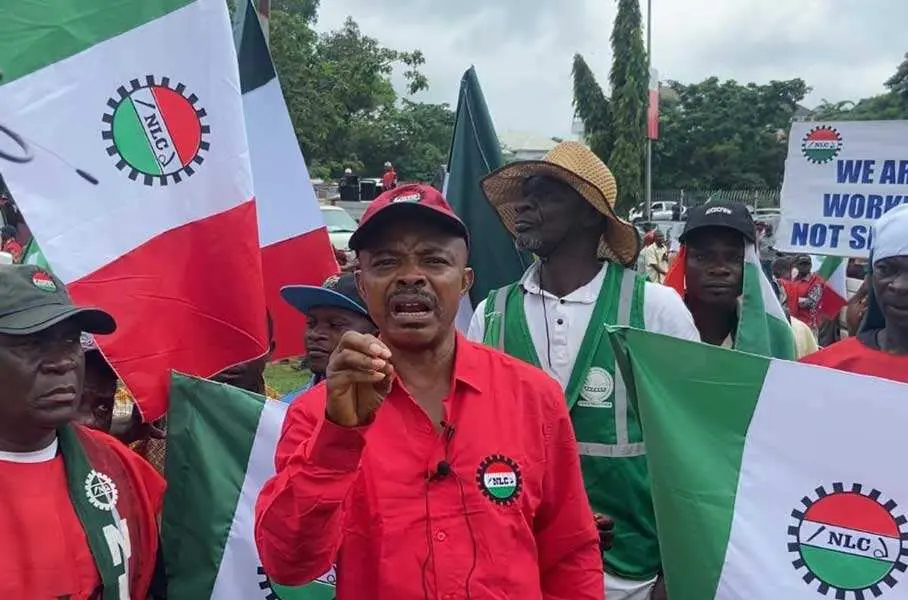
Labour disputes in Nigeria are common in both the public and private sectors, arising from conflicts between employers and employees over employment terms, rights, and obligations. These disputes often involve issues related to wages, working conditions, wrongful termination, and employee benefits. Legal intervention is crucial to resolve such disputes in accordance with Nigerian labor laws.
Legal Framework for Labour Disputes in Nigeria
Labour disputes in Nigeria are primarily governed by:
- The Labour Act (Cap. L1, Laws of the Federation of Nigeria): Governs the general terms and conditions of employment, including wages, working hours, and termination procedures.
- The Industrial Relations Act: Deals with industrial disputes between employers and trade unions.
- The Trade Unions Act: Regulates the formation, registration, and activities of trade unions in Nigeria.
- The Nigerian Constitution (1999, as amended): Provides fundamental rights that protect workers, such as the right to form or join a union.
- The National Industrial Court (NIC): A specialized court with exclusive jurisdiction over employment and labor-related matters.
Common Types of Labour Disputes
- Wrongful Termination
Disagreements arising from the dismissal or termination of an employee’s contract without just cause or in violation of the terms of employment. - Unpaid Wages and Benefits
Disputes regarding failure to pay wages, salaries, bonuses, or other benefits as stipulated in the employment contract or by Nigerian labor law. - Collective Bargaining Disputes
Disputes between trade unions and employers concerning negotiations for better wages, benefits, and working conditions. - Workplace Safety and Conditions
Conflicts over unsafe working environments or failure to adhere to safety regulations required by law. - Sexual Harassment and Discrimination
Disputes involving workplace harassment, discrimination based on gender, race, or other protected categories.
Dispute Resolution Mechanisms
- Negotiation
The first step in resolving labour disputes is often direct negotiation between the employer and employee (or union representatives) to reach a mutual agreement. - Mediation and Conciliation
If direct negotiations fail, parties may seek assistance from government agencies like the Industrial Arbitration Panel (IAP) or the National Labour Commission (NLC) to mediate and facilitate a settlement. - Litigation
If other methods fail, the dispute may be taken to the National Industrial Court of Nigeria (NIC) for adjudication. The NIC has exclusive jurisdiction over labour disputes, and its decisions are binding. - Arbitration
In certain cases, arbitration may be an alternative to formal court proceedings, providing a quicker resolution to disputes without resorting to litigation.
Challenges in Labour Disputes
- Prolonged Litigation
Labour disputes in Nigeria can often result in long court battles, leading to delays in justice and prolonged uncertainty for both employers and employees. - Compliance Issues
Many employers fail to comply with labour laws, leading to disputes that could have been avoided through proper adherence to statutory requirements. - Lack of Awareness
Employees often lack knowledge of their legal rights, leading to underreporting of labour violations and disputes that could have been addressed earlier. - Enforcement of Court Judgments
Even after obtaining a favorable judgment, enforcement can be slow and challenging, especially in cases involving large corporations or government bodies.
Conclusion
Labour disputes in Nigeria require careful attention to ensure that both employees’ rights and employers’ interests are protected. Legal guidance and intervention are essential in navigating the complexities of Nigerian labour law and resolving conflicts efficiently. Veraz Advocates offers expert legal services to handle labour disputes, ensuring fair and timely resolutions for both parties.